
Quick summary:
- A reliable first gravel bike costs between 900 and 1,500 euros according to Decathlon, with an aluminium frame, a single-chainring drivetrain and disc brakes.
- Aluminium remains the reference material for beginners: light, stiff and affordable, it equips the vast majority of models under 1,500 euros.
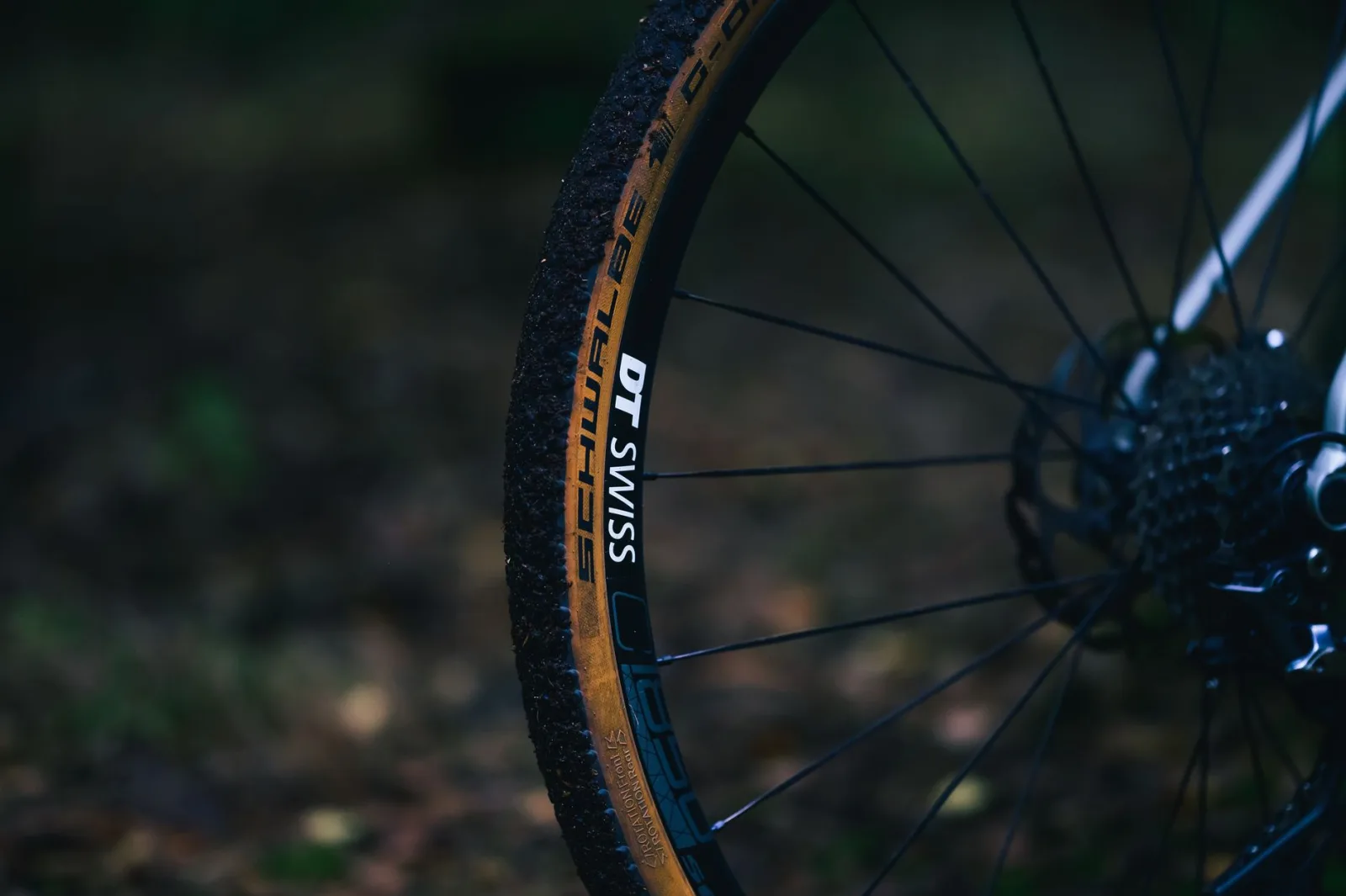
- Tubeless tyres between 40 and 45 mm offer the best compromise for mixed road and trail riding.
- The Canyon Grizl AL 5, from 1,299 euros as of October 2026, illustrates an aluminium gravel bike with a carbon fork and tyre clearance up to 54 mm.
What is a gravel bike and why it suits beginners
A gravel bike uses a road-style drop handlebar but accepts much wider tyres, letting it ride equally well on tarmac and on dirt or gravel trails. This versatility makes it a natural entry point for anyone who wants to leave busy roads behind without buying two separate bikes.
Its geometry is more stable than a road bike: a longer wheelbase, a lower bottom bracket and a more upright riding position. These settings reassure beginners, especially on descents over uneven terrain.
Unlike a pure road bike, gravel forgives small line mistakes and minor impacts. It is also an ideal base for gradually moving into bikepacking, thanks to the many mounting points for bags found on most frames.
This versatility explains the discipline’s growth in recent years: the same bike covers daily commutes on tarmac, training rides and exploration of small trails close to home, with no need to commit to one single type of terrain.
Who a gravel bike suits when starting out
A gravel bike particularly suits cyclists who want to leave busy roads behind without giving up the comfort of a road-style handlebar. It works equally well for a complete beginner and for a road cycling rider looking for more versatility on their rides.
For riders drawn to technical singletrack and steep climbs, a full-suspension or hardtail mountain bike remains better suited: gravel favours smooth trails over technical singletrack. Conversely, anyone torn between buying channels can check the buying a bike online guide, which details the advantages of each option before placing an order.
What budget to plan for a first gravel bike
Budget remains the first question to settle before a first purchase. In its 2026 buying guide, Decathlon lays out three price tiers, excluding promotions, to set expectations according to available budget.
| Price range | Frame and components | Drivetrain |
|---|---|---|
| 900 to 1,500 euros | Aluminium, disc brakes | Mechanical single chainring |
| 1,500 to 3,000 euros | High-end aluminium or carbon, tubeless wheels | Hydraulic |
| 3,000 euros and above | Carbon or titanium | Electronic shifting |
Models also exist below 1,000 euros for discovering the discipline without a large financial commitment, such as the Van Rysel GRVL AF (749.99 to 1,349.99 euros depending on the version) or the Nakamura Century 170 (749.99 euros). These references suit testing gravel riding before investing further.
For regular use from the first year, the 900 to 1,500 euro tier already offers, according to Decathlon, a reliable bike that covers most mixed road and trail rides.
What the price actually changes on an entry-level bike
On a gravel bike around 1,000 euros, the frame generally remains reliable: brands concentrate savings on the components they do not manufacture themselves (wheels, crankset, derailleur), rather than on the frame structure. A well-designed aluminium frame at this price is therefore not a cut-rate compromise, provided future upgrades (wheels, tyres) are planned after the first seasons.
Aluminium or carbon: which frame should a beginner pick
The frame material drives both the price and the weight of the bike. For a first purchase, nearly all models on the market use aluminium, a choice brands themselves embrace.
“Aluminium remains the best value for money for beginners: light, stiff and affordable.” Decathlon, gravel bike buying guide, 2026
Carbon becomes worthwhile from around 1,500 to 2,000 euros, once riding becomes more regular or performance-oriented. It brings a weight saving and better vibration filtering, for an extra cost that mostly pays off beyond the first year of riding.
Some recent models combine both approaches: the Canyon Grizl AL, launched in 2026, pairs an aluminium frame with a carbon fork, with tyre clearance extended to 54 mm. Its entry version, the Grizl AL 5, starts at 1,299 euros (price observed in October 2026), with hydraulic disc brakes and a GRX, Apex or Cues drivetrain depending on the version.
Tyres, drivetrain and brakes: the key technical criteria
Beyond the frame, three technical elements determine the comfort and versatility of a first gravel bike.
Tyre width and type
Tyres of 40 to 45 mm in tubeless setup offer the best compromise for mixed riding. Run at low pressure (2 to 2.5 bar versus 5 to 7 bar on a road bike), they noticeably improve grip and reduce the risk of pinch flats.
- 35 to 38 mm tyres: smooth trails and road-like use
- 40 to 45 mm tyres: maximum versatility, recommended for beginners
- 45 to 54 mm tyres: rough terrain and first bikepacking outings
Drivetrain and braking
A single-chainring (1x) drivetrain simplifies use for a beginner: fewer shifts, less maintenance, at the cost of slightly wider gaps between gears. Hydraulic disc brakes are now the standard, even on entry-level models under 1,500 euros, and provide reliable braking power in all weather.
Flared handlebar and riding position
Most gravel bikes use a flared handlebar of 12 to 25 degrees, wider at the drops than a classic road handlebar. This flare improves control on descents over uneven terrain while keeping the familiar road-handlebar hand positions on tarmac.
Test riding a gravel bike before buying
Before confirming a purchase, a test ride at a shop remains the best way to avoid a sizing or setup mistake. Standing over the frame, there should be a few centimetres of clearance with both feet flat on the ground: a frame that is too large complicates handling on rough terrain, while one that is too small limits comfort on long rides.
A test of at least a few minutes, ideally on surface conditions close to the intended use (trail, sloped car park, a short climb), helps check the riding position on the handlebar and the feel of the brake levers. Many specialist shops offer this test ride before an order, including for models sold online.
What extra gear to plan when getting started
The price of the bike is only part of the total budget. An approved helmet, suitable pedals (flat or clipless) and a basic repair kit (inner tube, tyre levers, pump) make up the minimum gear for riding safely.
For first day rides, a top-tube bag or a saddle bag is enough to carry tools and a wind jacket. Buying fuller gear (front bags, mudguards) can wait until the habit is confirmed.
On the clothing side, padded shorts and short gloves limit discomfort on the first longer rides. Protective glasses and front and rear lights complete the basic gear for riding safely, including on short everyday trips.
Progressing after a first entry-level gravel bike
After a first season, the most cost-effective upgrades are often the wheels and tyres rather than the frame itself. A lighter wheelset or tyres better suited to the terrain ridden noticeably change the bike’s feel, for a cost lower than a full bike change.
Moving to a carbon frame is mostly worthwhile for more regular, performance-oriented or long-distance riding, once needs become clearer through experience gained on the first bike. In the meantime, a well-maintained aluminium gravel bike comfortably covers the needs of a regular rider.
Basic maintenance for a first gravel bike
A gravel bike is ridden on dirtier terrain than a road bike, which calls for a minimum of regular maintenance to preserve the drivetrain and brakes. Cleaning the chain after wet or muddy rides, followed by relubrication, limits premature wear on the crankset and derailleur.
Tubeless tyres need a pressure check before each ride and a top-up of sealant roughly every two to three months depending on use. Disc brake pads, under more strain on wet terrain, deserve regular visual checks: their wear is cheaper to address than a late intervention on the discs themselves.
A check before each season
Before resuming riding after winter, a full workshop check (drivetrain, brakes, bolt torque, tyre condition) helps start the season on solid footing. This check proves especially useful in the first year, while still getting familiar with maintaining the bike.
How to choose the right gravel bike size
A properly sized frame matters as much as the choice of material or tyres. Gravel sizing often runs slightly more compact than road bike sizing, for a more stable position over uneven terrain.
Before confirming a purchase, checking your bike size based on inseam height remains an essential step, ideally complemented by a test ride in store when possible.
Frequently asked questions
Which gravel bike should a beginner choose?
For a first bike, an aluminium frame, 40 to 45 mm tubeless tyres and hydraulic disc brakes cover most needs. A reliable entry-level model costs between 900 and 1,500 euros. The Canyon Grizl AL 5, priced from 1,299 euros as of October 2026, illustrates this category with an aluminium frame, a carbon fork and tyre clearance up to 54 mm.
What budget should I plan for a first gravel bike?
Decathlon places a reliable entry-level gravel bike between 900 and 1,500 euros (aluminium frame, single-chainring drivetrain, disc brakes). Between 1,500 and 3,000 euros, the mid-range adds hydraulic shifting and tubeless wheels. Models also exist under 1,000 euros to try the discipline first.
Aluminium or carbon: which frame should a beginner pick?
Aluminium is the most common choice for beginners: light, stiff and affordable, it equips nearly all entry and mid-range gravel bikes. Carbon, more expensive, becomes worthwhile from around 1,500 to 2,000 euros for more regular or sport-oriented riding.
What tyre width should a beginner choose for gravel?
Tyres between 40 and 45 mm in tubeless offer the best compromise for beginners riding a mix of smooth trails and tarmac. Recent frames, such as the Canyon Grizl AL, accept up to 54 mm for rougher terrain.
How much does an entry-level gravel bike cost?
Entry-level models exist between 750 and 1,350 euros, with aluminium frames and disc brakes. Above 900 euros, the components (drivetrain, wheels) gain reliability for regular use.